
The Presidency and the Constitutional Crisis
All the President's MenThis flow traces how evidence against senior officials culminates in a crisis over presidential accountability, congressional authority, and the transfer of investigative findings.
increasing Bearing strength in each event
 decreasing
Bearing strength in each eventdecreasingCongress Claims Its Role
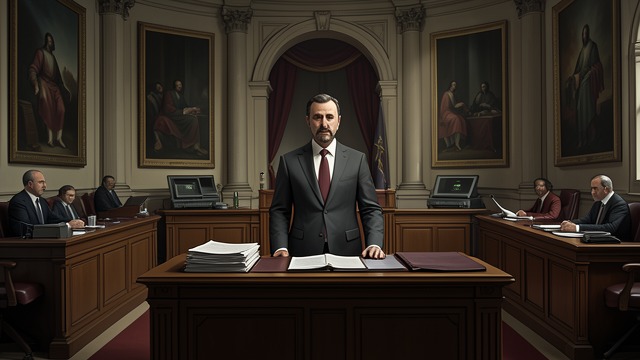
Congress Claims Its Role
A Senate Inquiry Begins
Sam Ervin secured a broad mandate to investigate Watergate and campaign activities. The Senate’s public inquiry stood outside the executive branch and could compel testimony and records.
A Constitutional Contest
The White House’s resistance raised a fundamental question: whether the President could control the investigation of his own administration. The conflict placed the separation of powers at the center of the scandal.
The Sitting President Problem
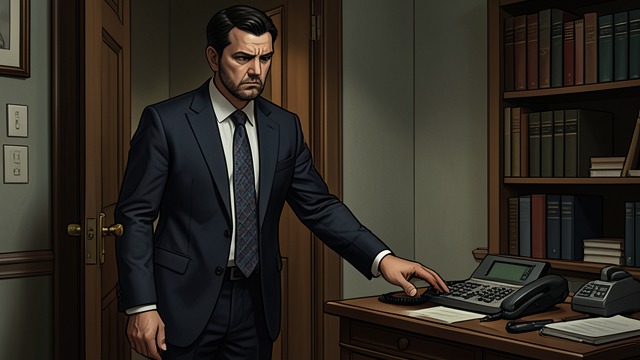
The Sitting President Problem
Prosecutors Weigh the Constitution
Justice Department lawyers concluded that an incumbent President could not be indicted under their reading of the Constitution. They also debated whether he could be summoned to appear before the grand jury.
An Unresolved Standard
The legal question limited ordinary criminal procedure without resolving the underlying evidence. The dispute showed how constitutional protections could prevent direct accountability while increasing the importance of congressional inquiry and public scrutiny.
Tapes and Executive Privilege
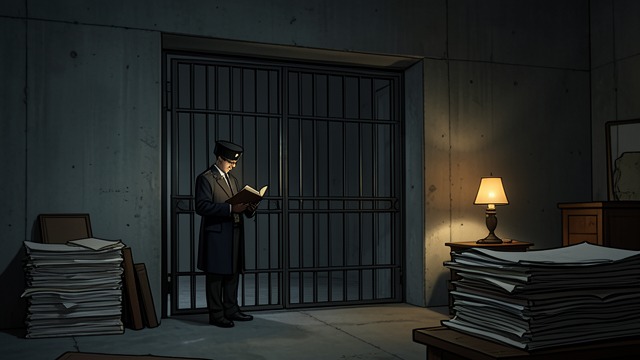
Tapes and Executive Privilege
A Secret System Revealed
Alexander Butterfield disclosed that the White House had recorded presidential conversations. Investigators sought access to the tapes, while Nixon’s lawyers invoked executive privilege.
Evidence Becomes a Constitutional Object
The recordings promised direct evidence of what senior officials had said, yet obtaining them required a confrontation between the judiciary and the presidency. The tapes transformed the question of presidential knowledge into a legal struggle over access.
The Saturday Night Massacre
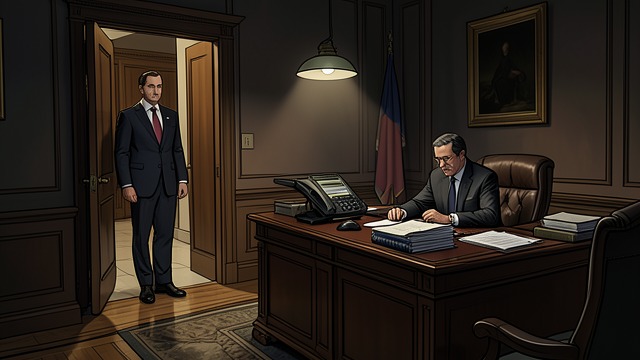
The Saturday Night Massacre
A Prosecutor Removed
After Archibald Cox subpoenaed recordings, Nixon fired the special prosecutor. Attorney General Elliot Richardson and deputy William D. Ruckelshaus resigned rather than carry out the dismissal themselves.
Public Resistance
The events intensified demands for accountability and made the conflict over executive power visible to the country. Nixon later surrendered some tapes under pressure, but the crisis had further weakened confidence in his administration.
The House Receives the Evidence
The House Receives the Evidence
Indictments Reach the Inner Circle
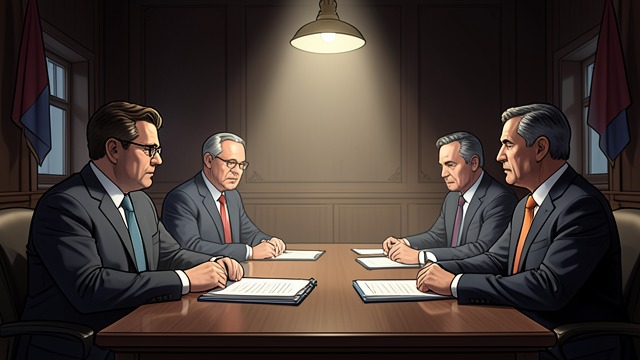
The March 1 cover-up indictments charged several former presidential aides with conspiracy to obstruct justice. A separate grand jury report summarized evidence concerning Nixon and transferred material to the House.
Impeachment Authority
The House Judiciary Committee began an impeachment inquiry, exercising the constitutional power to determine whether charges should proceed. The scandal ended the book with the President still insisting he would not leave office, while the institutions of accountability prepared to judge his conduct.
February 1973
May–June 1973
July–October 1973
October 1973
March 1974
